

Losing Weight on GLP-1s but at What Cost to Muscle?
By: Alison Embrey NASM CPT, PostGlo Intern

You’ve probably heard the buzz about GLP-1—the tiny hormone making a massive impact on weight loss, and the future of metabolic health. Whether you heard about it through social media, the news, or from a friend or family member, it cannot be denied that GLP-1 medications are some of the most trending, high-growth drugs on the market today. Originally developed to help manage Type 2 Diabetes, these medications have quickly gained attention for their powerful effects on appetite, blood sugar regulation, and weight loss.(1) As their popularity has grown, so has the conversation surrounding their benefits and risks. Beyond the impressive numbers on the scale, many experts are now asking a deeper question: what do GLP-1 medications mean for muscle health, and how does strength training fit into the picture?
Why GLP-1s Work
GLP-1 receptor agonists have transformed the weight-loss conversation by offering a powerful medical tool that may help people eat less, feel fuller longer, and improve blood sugar regulation. For many individuals, these medications finally make weight loss feel achievable after years of frustration. Clinical trials and real-world data consistently show meaningful reductions in body weight, which is why GLP-1s have gained so much attention in both medical and wellness spaces.(1) However, weight loss alone does not tell the full story of health. As use of these medications increases, researchers and clinicians are paying closer attention to what is being lost along with body weight, specifically lean muscle mass.
Do GLP-1s Lead to Muscle Loss, or Is It the Calorie Deficit?
Research suggests that people taking GLP-1 medications often lose a combination of fat mass and lean mass, with lean tissue accounting for a notable portion of total weight lost.(1) This has raised concerns, but it’s important to clarify that muscle loss is not unique to GLP-1s. Any significant calorie deficit, whether from dieting, bariatric surgery, or medication, can result in muscle loss if the body is not given a reason to preserve it. What GLP-1s do particularly well is suppress appetite, which can unintentionally reduce overall calorie and protein intake to levels that make muscle preservation difficult.(2) Without resistance training and adequate nutrition, the body adapts by shedding muscle along with fat, simply because muscle is metabolically expensive to maintain.
Why Strength Training Changes Everything
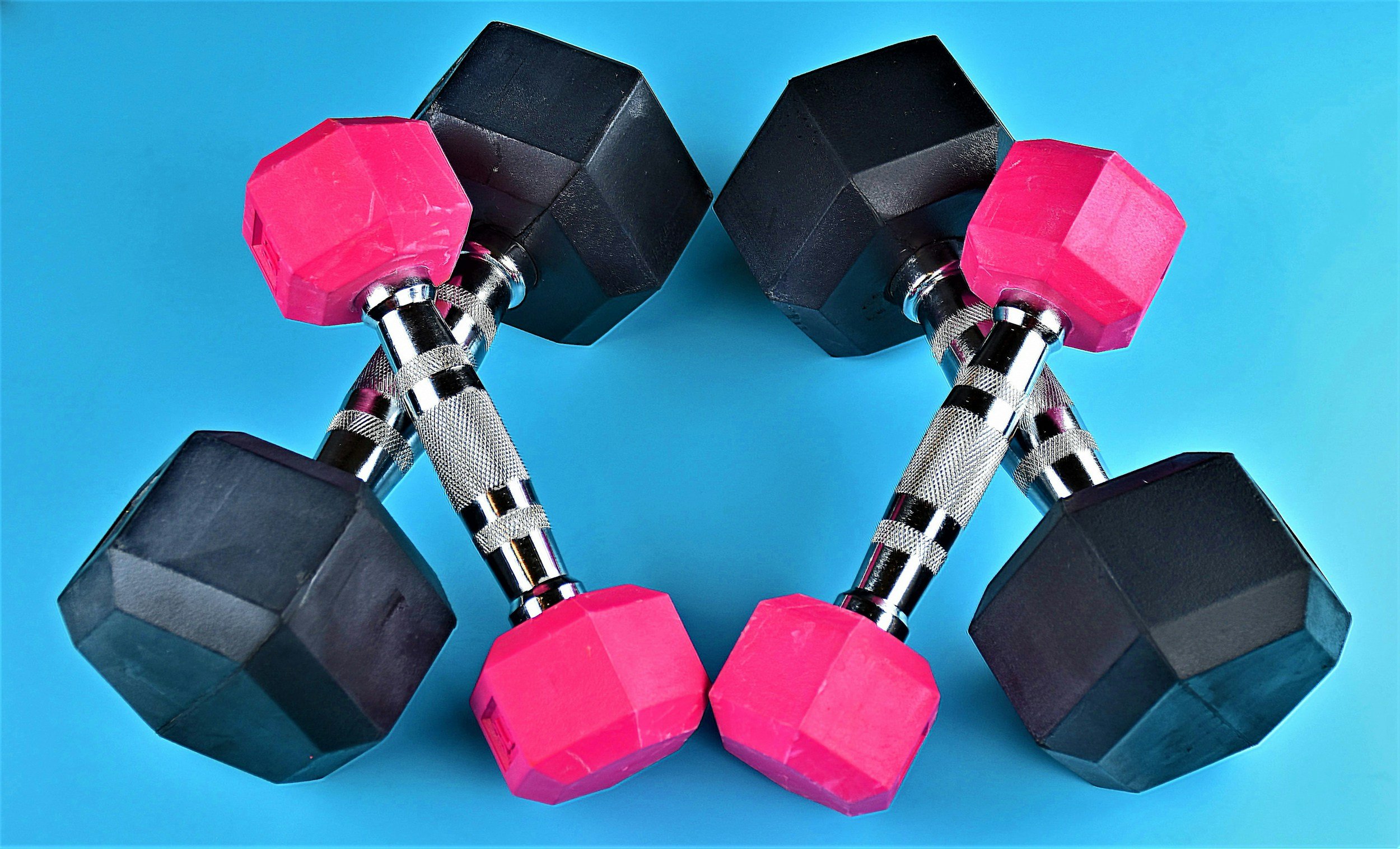
Strength training is the most powerful tool we have to protect muscle during weight loss, and this becomes even more important for individuals taking GLP-1 medications. Resistance exercise sends a clear signal to the body that muscle tissue is still needed for daily function and performance. When that signal is present, the body is far more likely to retain lean mass, even in a calorie deficit.(2) Beyond muscle preservation, strength training supports insulin sensitivity, bone density, physical function, and long-term metabolic health.(5) Losing weight without maintaining strength may improve the number on the scale, but it can also increase fatigue, reduce physical capacity, and raise the risk of weight re-gain over time.(3) In this way, strength training doesn’t compete with GLP-1s, it completes them.
From a training perspective, strength work is one of the most effective ways to protect muscle while taking GLP-1 medications. Resistance-based movements such as squats, lunges, and hip hinges (like Romanian Deadlifts) target large muscle groups in the lower body, which are especially important for metabolism and long-term weight maintenance. Upper-body exercises like push-ups, chest presses, and rows help preserve strength in the arms, shoulders, and back, areas that often lose muscle during rapid weight loss if they are not intentionally trained.
For many GLP-1 users, training does not need to be high-volume or high-intensity to be effective. Short, consistent sessions using body weight, resistance bands, or moderate dumbbells two to three times per week can be enough to signal the body to maintain lean mass. Core-focused movements such as planks, bird dogs, and carries can further support posture and stability as body weight changes. When strength training is paired with adequate protein intake, it shifts weight loss toward fat rather than muscle, making it a key component of healthier, more sustainable results.(4)
Can You Build or Maintain Muscle While Taking a GLP-1?
Contrary to popular belief, GLP-1 medications do not prevent muscle growth or strength gains. People can maintain, and in some cases, build muscle while taking these medications, provided they approach training and nutrition intentionally.(4) The biggest challenge tends to be fueling workouts when appetite is suppressed. Consistently prioritizing protein intake and aligning meals around training sessions can help support muscle repair and adaptation. Medical experts increasingly emphasize that GLP-1 therapy should be paired with resistance training two to three times per week to preserve lean mass and support healthier long-term outcomes.(6) When medication is combined with movement, weight loss becomes not just smaller bodies, but stronger ones. Users of GLP-1s should be educated on proper nutrition, and how to balance their plate along with proper workout programs and structure.
The Bigger Picture: GLP-1s Are a Tool, Not a Replacement
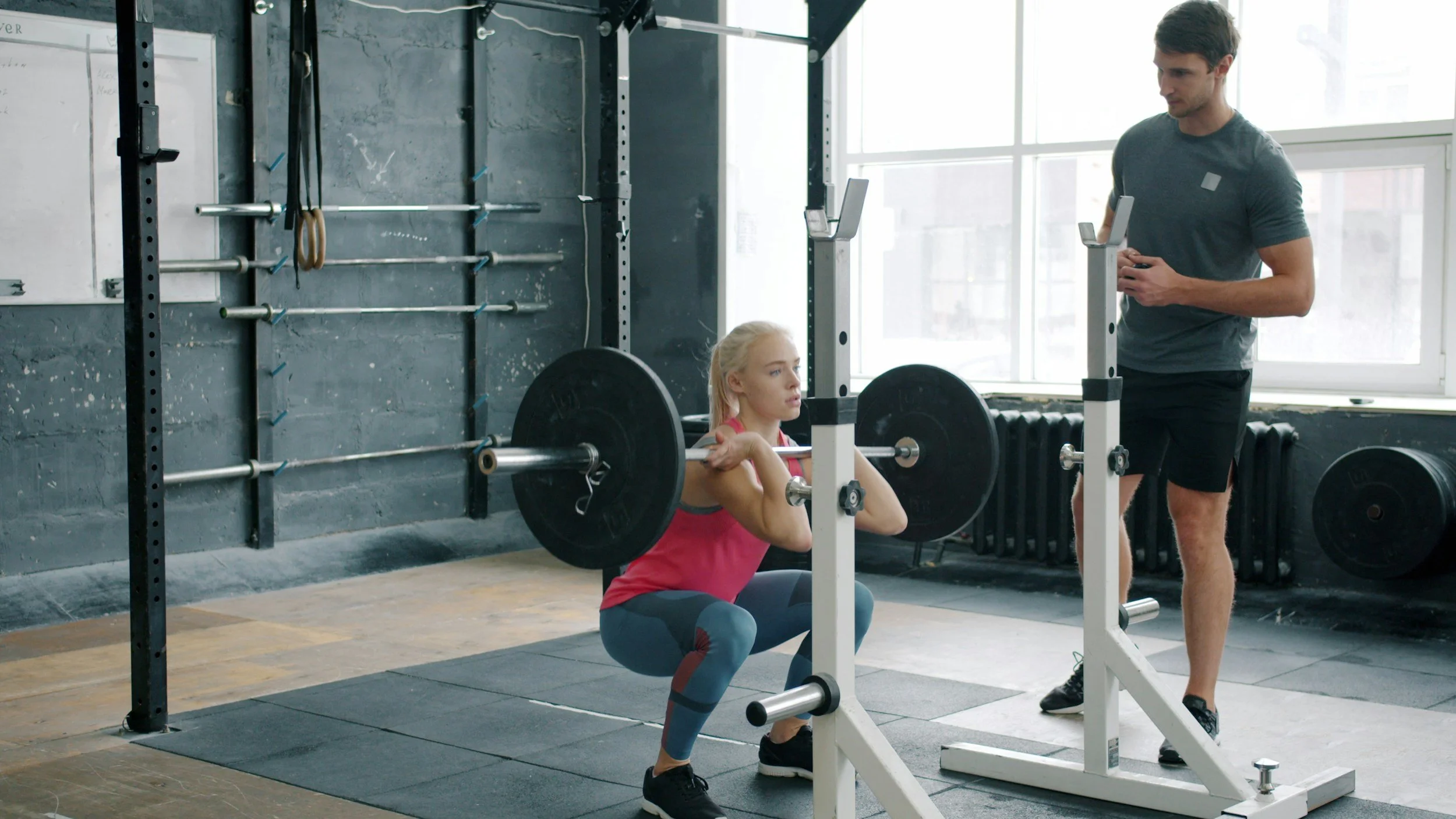
GLP-1 medications can be incredibly effective for initiating weight loss, but they are not designed to replace lifestyle behaviors that support overall health. Muscle plays a central role in metabolism, mobility, and aging well, and losing it during rapid weight loss may undermine the very health improvements people are seeking.(3) The most sustainable approach is not choosing between GLP-1s or strength training, but recognizing how they work best together. When resistance training and adequate nutrition are prioritized alongside medication, individuals are more likely to lose fat, preserve muscle, and maintain their results long-term.(5) For optimal outcomes, it’s also wise to work with a dietitian or healthcare professional familiar with GLP-1 therapy. They can help tailor nutrition, protein intake, and exercise guidance to support both fat loss and muscle preservation. Another recommendation for someone that is not experienced with weight training would be to invest in a personal trainer. This way you can receive one-on-one guidance on how to program your workouts, and physical assistance while learning strength training exercises. Ultimately, combining medication, smart nutrition, and guided strength training isn’t just about losing weight. It's about building a foundation for lasting health. It’s about creating strength, and confidence in your body. Every small step adds up, and the strongest results come when all pieces work together.
Sources:
https://jamanetwork.com/journals/jamainternalmedicine/fullarticle/2836527
https://www.massgeneral.org/news/article/fitness-for-people-taking-glp-1-agonists
https://www.cnn.com/2025/08/18/health/glp1-muscle-loss-strength-training-wellness
https://activated.health/the-hidden-role-of-muscle-in-glp-1-success-why-strength-training-matters/